

বাংলাहिन्दी
Store LocatorProblemI just spent lakhs on designer bathroom tiles. Why is there a damp patch spreading across the ceiling?
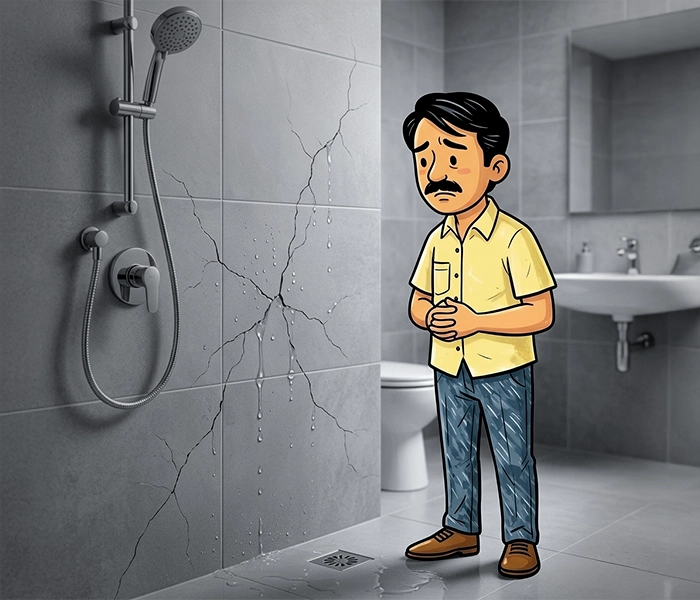
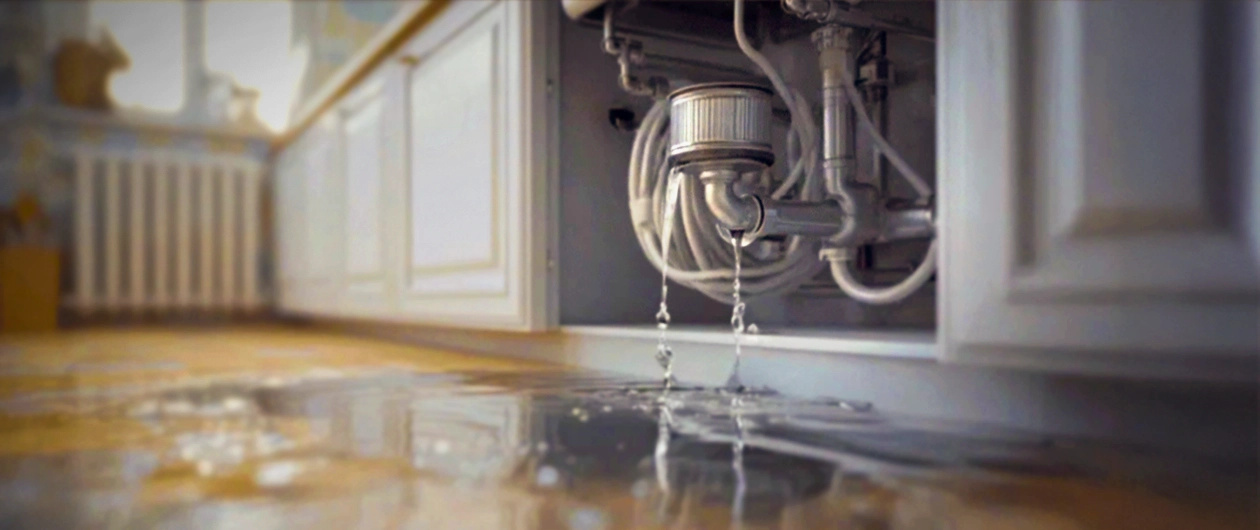
Plumbing is the invisible nervous system of your building. Because it is hidden behind walls and under floors, you rarely think about it-until it fails. And when plumbing fails, the destruction it causes is absolute. It usually starts with a subtle warning: a sudden drop in water pressure, an unexplained spike in your water bill, or a faint, musty smell in a freshly painted room. Then, the damp patch appears.
The realization is devastating. You have just invested heavily in premium Italian marble, imported sanitaryware, and designer bathroom tiles. Now, to fix a leaking joint that costs less than fifty rupees, a local plumber tells you that they have to smash through your beautiful new wall. The anxiety of living in a home with concealed leaks is overwhelming. You are constantly worried about when the next pipe will burst, or how much water is silently pooling beneath your floors, slowly destroying the foundation and rusting your structural steel.
WhyThis Happens?
The Root Causes of Plumbing Disasters
Pipes do not just burst randomly.
In almost every case, plumbing failures in premium construction are the direct result of using unverified materials and relying on the outdated habits of local laborers who lack modern technical knowledge.
Here are the most common mistakes that lead to catastrophic plumbing failures:
Choosing the Wrong Pipe Material
Counterfeit or Substandard Pipes
Failing Joints and Cheap Solvents
Careless Construction Practices

This is a classic error. Many local plumbers install standard UPVC (Unplasticized Polyvinyl Chloride) pipes for both hot and cold water lines to save money. However, UPVC cannot handle the high temperatures of modern geysers. When exposed to boiling water, the pipe warps, softens, and eventually bursts.
The market in Eastern India is flooded with fake pipes that mimic top brands. These pipes use low-grade recycled plastic that lacks the wall thickness required to withstand the pressure of modern water pumps, especially in multi-story buildings.
A plumbing system is only as strong as its weakest joint. Plumbers often use expired or low-quality solvent cement (glue) to join pipes. Under constant water pressure, these weak chemical bonds break down, leading to microscopic leaks inside your walls.
Often, pipes are laid perfectly, but during the final stages of construction, a careless mason accidentally strikes a concealed pipe with a hammer or drives a nail through it while installing bathroom fixtures.
HowINFRAHUB Solves?
The Engineered Pathway
Water pressure and fluid dynamics are exact sciences. INFRAHUB brings industrial-grade plumbing reliability to your residential or commercial project, applying engineering standards from complex high-pressure system design.
- 1
Diagnostic Site Inspection
Where a leak is already present, BUILDING Dr. does not start by breaking tiles blindly. A Site Inspection uses advanced diagnostic techniques to trace the moisture back to its exact origin, minimising the demolition required to reach the failed pipe.
- 2
Material Verification at INFRA.CLINIC
To prevent pipe bursts, INFRA.CLINIC — NABL-accredited laboratory subjects plumbing pipes to rigorous hydrostatic pressure testing, forcing water into the pipe at extreme pressures to certify burst strength and verify that wall thickness meets Indian Standards (IS).
- 3
Engineering Consultation & Specification
BUILDING Dr. replaces local guesswork with scientific specifications: CPVC for all hot water lines, high-pressure UPVC for cold lines, and heavy-duty SWR pipes for drainage. The pressure rating of every pipe is matched to the horsepower of the building's water pumps.
- 4
Factory-Direct Supply
Once the BOQ (Bill of Quantities) is locked, INFRAHUB supplies the lab-verified pipes, authentic branded fittings, and high-strength solvent cements directly to the site, ensuring the plumbing contractor uses exactly what BUILDING Dr. specified.
Related Services
Site Inspection & Structural Assessment
Bring BUILDING Dr. to locate hidden leaks without unnecessary demolition.
Engineering Consultation
Get a technically flawless plumbing blueprint and material specification.
Project Management Support
Let us coordinate the phased delivery of your verified plumbing materials.
Related Products
PROCEMHUB
Access lab-verified waterproofing compounds, epoxy grouts, and elastomeric coatings.
See DetailsWATERHUB
Procure certified CPVC, UPVC, and SWR pipes that are guaranteed to handle high pressure.
See DetailsMETALHUB
Procure certified, high-yield TMT bars and premium cement for structural repairs.
See DetailsFrequently Asked Questions
Common Questions. Answered Clearly.
What is the difference between UPVC and CPVC pipes?
UPVC pipes are strong and ideal for carrying cold water at high pressures. However, they cannot handle heat. CPVC pipes have been chemically altered to withstand very high temperatures without melting or warping, making them mandatory for hot water lines connected to geysers and solar heaters.
Why is the water pressure so low in my newly built house?
Low pressure is often the result of poor plumbing design. If your contractor used pipes with a diameter that is too narrow for the distance the water has to travel, or if they installed too many sharp 90-degree bends (elbows) in the layout, the water loses its kinetic energy before reaching your tap.
Can a leaking concealed pipe be fixed without breaking my tiles?
Once a concealed pipe cracks, the wall must be opened to replace the damaged section. This is why correct engineering from the start is critical. BUILDING Dr.'s site inspection team pinpoints the leak precisely, meaning only one or two tiles need to be broken instead of destroying the entire wall.
Why do my pipe joints keep leaking even though the plumber used glue?
Local plumbers often use cheap, generic solvent cement, or they fail to clean and prime the pipe surface before applying the glue. Without a clean surface and a high-quality, lab-tested solvent, the pipes do not chemically fuse together. When the water pump turns on, the pressure easily blows the weak joint apart.