

বাংলাहिन्दी
Store LocatorProblemI just painted this wall six months ago. Why is it already bubbling and damp?
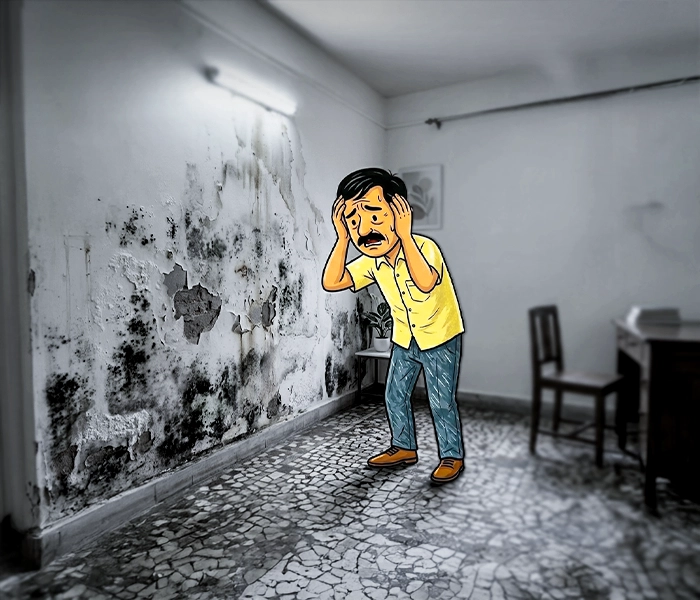
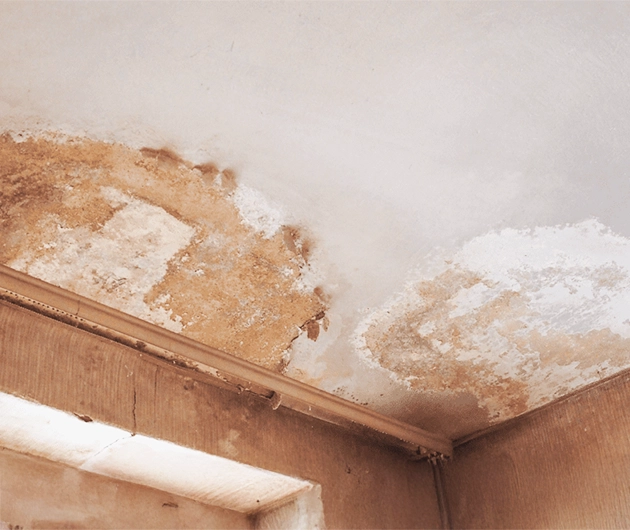
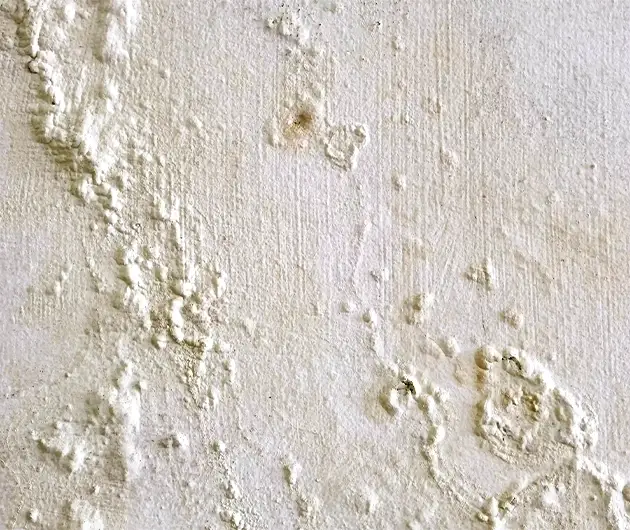
It is one of the most frustrating experiences a property owner can face. You invest heavily in building a premium home or renovating a commercial space. You choose expensive interior paints, beautiful wallpapers, and high-quality woodwork. But within a few months-often after the very first monsoon-the nightmare begins. A dark, wet patch appears near the skirting board. The premium paint starts to bubble and flake off. A musty, unhealthy smell fills the room, and soon, water begins dripping from the ceiling slab.
When this happens, the usual reaction is panic, followed by temporary fixes. You call a local painter or contractor who scrapes off the damaged paint, applies a thick layer of white putty, slaps on a generic "waterproofing" chemical from the local hardware store, and repaints it. Six months later, the exact same damp patch returns, often bigger than before. You find yourself trapped in an endless, expensive cycle of cosmetic repairs.
WhyThis Happens?
The Root Causes of Seepage
Water is relentless; it will always find the weakest point in your building.
The biggest mistake property owners make is treating dampness as a surface issue rather than an engineering failure.
Here are the most common root causes of waterproofing failures in Eastern India:
The "Paper Joint" Tile Mistake
Wrong Roof Treatments
Ignoring External Wall Discontinuities
Using Unverified Chemicals

A massive percentage of rising dampness (capillary action) starts in the bathroom. Traditionally, tiles are laid edge-to-edge with zero gaps, and the microscopic seams are filled with a thin cement slurry. This weak slurry cracks easily, allowing shower water to seep under the floor, where it acts like a sponge, climbing up your adjacent bedroom walls.
Many contractors still rely on outdated methods like painting the roof slab with cheap black tar or using generic cement additives. These materials cannot withstand the extreme thermal expansion and contraction caused by the hot Indian sun. They crack within a year, allowing rainwater to pour directly into your ceiling.
Rainwater often penetrates through tiny, almost invisible cracks in the exterior plaster or poorly sealed gaps around window frames.
The market is flooded with "miracle" waterproofing paints. However, applying a negative-side (internal) paint without stopping the positive-side (external) water source is like putting a band-aid on a broken pipe. The water pressure will eventually push the paint right off the wall.
HowINFRAHUB Solves?
The Engineered Pathway
A waterproofing failure cannot be fixed with a paintbrush. It requires structural engineering and verified building chemistry. INFRAHUB brings 25 years of engineering expertise to every waterproofing challenge, diagnosing root causes with the same rigour applied to complex infrastructure.
- 1
Scientific Diagnosis
(Stop Guessing)We start with a comprehensive Site Inspection. Our structural engineers visit your property to trace the water back to its exact origin. We don't just look at the damp wall; we assess your plumbing, your exterior plaster, your roof slab, and your bathroom flooring to find the true entry point.
- 2
Material Verification at INFRA.CLINIC
Where compromised materials are found or a specialised compound is required, INFRA.CLINIC — NABL-accredited laboratory tests waterproofing membranes for impermeability and adhesion strength, confirming the chemicals specified will withstand the site conditions.
- 3
Engineering Consultation & Specification
Instead of a generic chemical, BUILDING Dr. provides a targeted technical specification. For roofs, a UV-resistant elastomeric coating. For bathrooms, tile spacers and epoxy grout to permanently block capillary action. For basements, crystalline self-healing compounds that react with water to block concrete pores.
- 4
Factory-Direct Supply
Once the exact engineered solution is specified, INFRAHUB supplies the authentic, lab-tested chemicals and materials directly to your site, ensuring your contractor has exactly what they need to execute the permanent fix.
Related Services
Site Inspection & Structural Assessment
Get BUILDING Dr. to find the exact source of the leak.
Engineering Consultation
Get the right technical specification for your waterproofing needs.
INFRA.CLINIC Testing
Certify your waterproofing chemicals before application.
Related Products
PROCEMHUB
Access lab-verified waterproofing compounds, epoxy grouts, and elastomeric coatings.
See DetailsMETALHUB
Procure certified, high-yield TMT bars and premium cement for structural repairs.
See DetailsWATERHUB
Procure certified CPVC, UPVC, and SWR pipes that are guaranteed to handle high pressure.
See DetailsFrequently Asked Questions
Common Questions. Answered Clearly.
Can I just apply waterproof paint over the damp patch?
No. Waterproof paint applied to the inside of a damp wall will only trap the moisture temporarily. The water pressure inside the brickwork will eventually cause the new paint to bubble and peel. You must identify and seal the source of the water entry first.
Why is my ceiling leaking only during heavy rain?
This usually indicates a failure in your roof's waterproofing membrane or thermal cracks in the concrete slab. Extreme heat causes the roof to expand, tearing cheap waterproofing materials. When the rain hits, water easily flows through these new cracks.
How does INFRA.CLINIC help with waterproofing?
INFRA.CLINIC — NABL-accredited laboratory tests waterproofing chemicals for water impermeability, elasticity, and concrete adhesion. This confirms the chemical specified will actually perform under pressure, rather than failing after one season.
Are epoxy grouts really better than white cement for bathrooms?
Absolutely. White cement is porous and shrinks over time, allowing water to seep beneath your tiles. Epoxy grout is highly durable, non-porous, and acts as a permanent, waterproof seal, preventing the capillary action that causes rising dampness in your adjacent rooms.