
Englishবাংলাहिन्दी

Store Locator

Waterproofing Diagnosis

and Failure Assessment service Eastern India

Consult with Expert →

Waterproofing that keeps failing? BUILDING Dr diagnoses the exact cause — roof, wall, basement, or bathroom — and prescribes the right permanent solution across Eastern India.

WhyWaterproofing Keeps Failing?

Waterproofing fails repeatedly for one consistent reason:

the wrong system is applied to the wrong problem. There are multiple distinct waterproofing failure modes, each with a different root cause and a entirely different solution. Treating all of these distinct issues with the exact same membrane product is the fundamental reason the same problem returns season after season.

Here are the four primary failure modes:

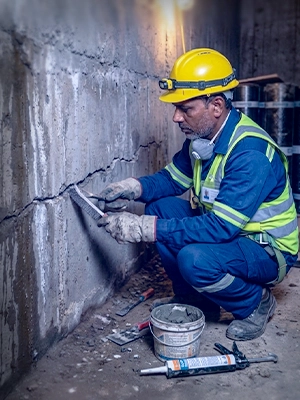
  • Structural crack allowing water entry
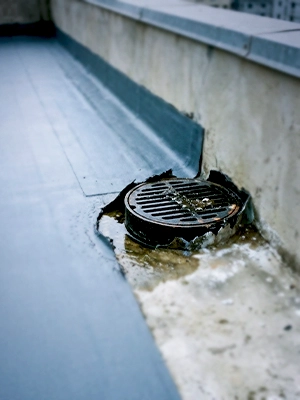
  • Failed joint or penetration point
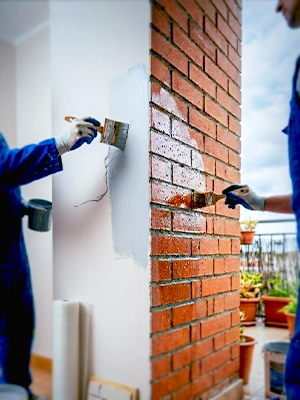
  • Incorrect product for the substrate
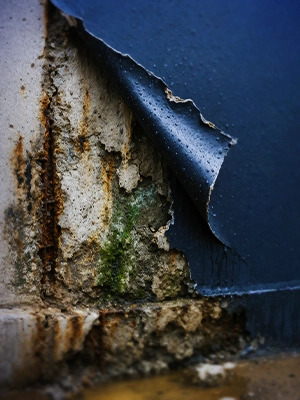
  • Inadequate surface preparation

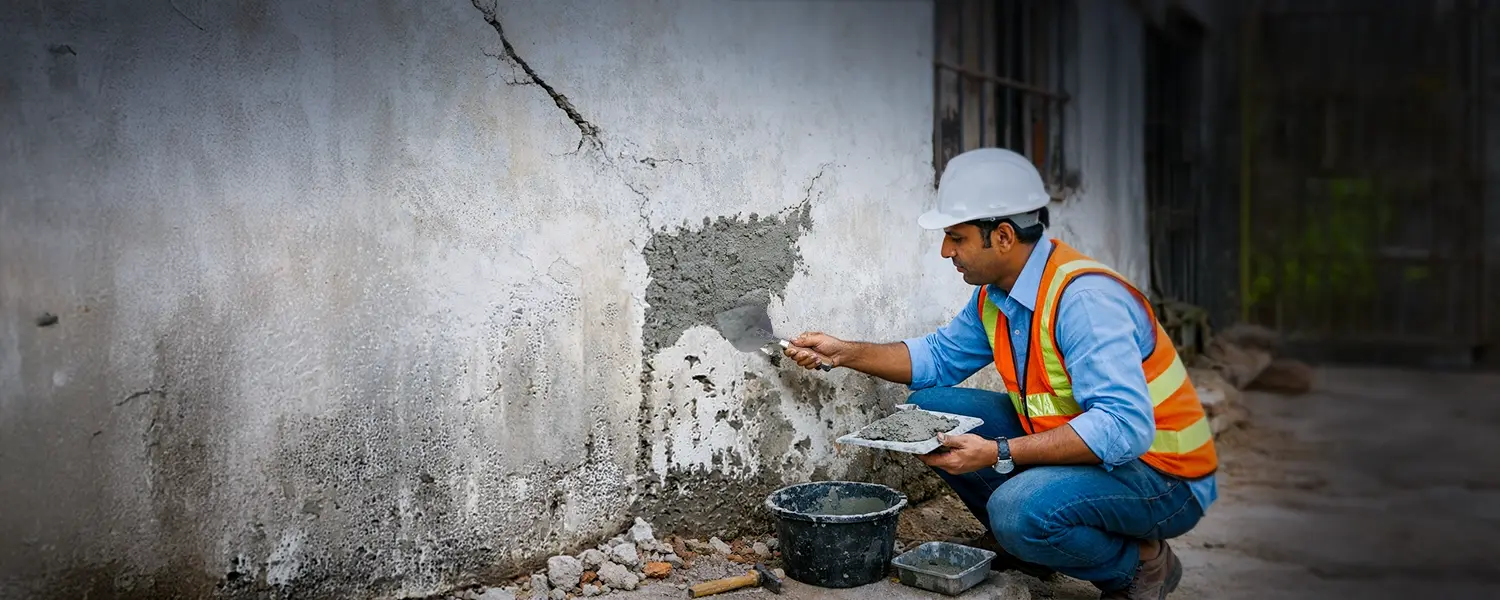
No membrane applied over a moving crack will hold. The crack must be treated first, and the waterproofing system is applied after.

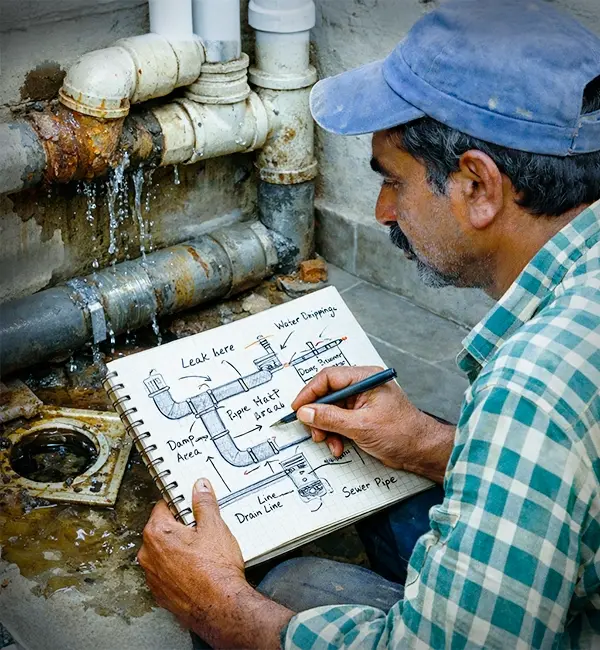
Water enters at pipe penetrations, parapet junctions, drainage outlets, or expansion joints—not through the open membrane area. The membrane itself is intact, but the joint is not.

Different substrates require different waterproofing chemistry. A system suited to concrete performs differently on brick masonry, and an interior-grade product fails on an exposed terrace.

Waterproofing applied to a contaminated, damp, or structurally weak substrate will delaminate regardless of product quality. Proper adhesion is impossible if the foundational layer is compromised.

Scope of Waterproofing Diagnosis

Our premium waterproofing diagnosis service in Eastern India is tailored to address the distinct vulnerabilities of both residential and commercial structures across the region.

  • Waterproofing

    Roof and Terrace

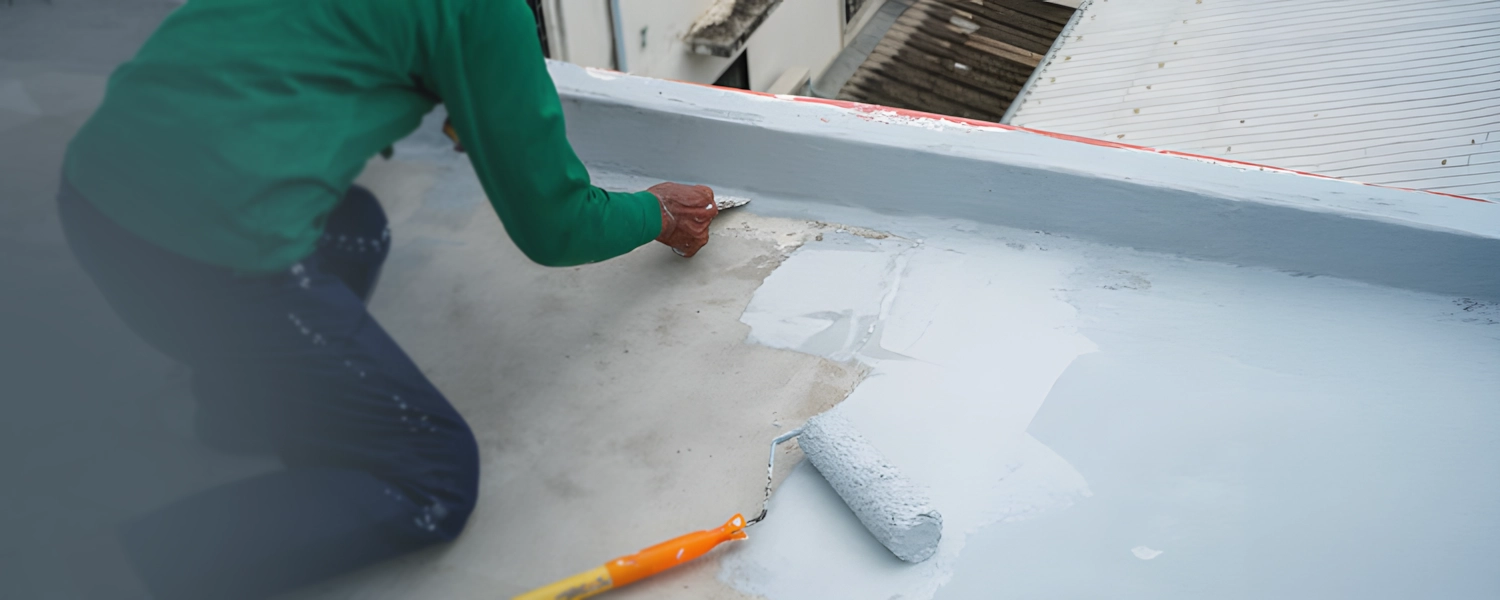
    We assess flat roofs, pitched roofs, terrace slabs, parapet walls, and roof drainage systems, where the most frequent failure mode is unaccommodated thermal movement cracking the perimeter junctions.

  • Waterproofing

    Bathroom and Wet area

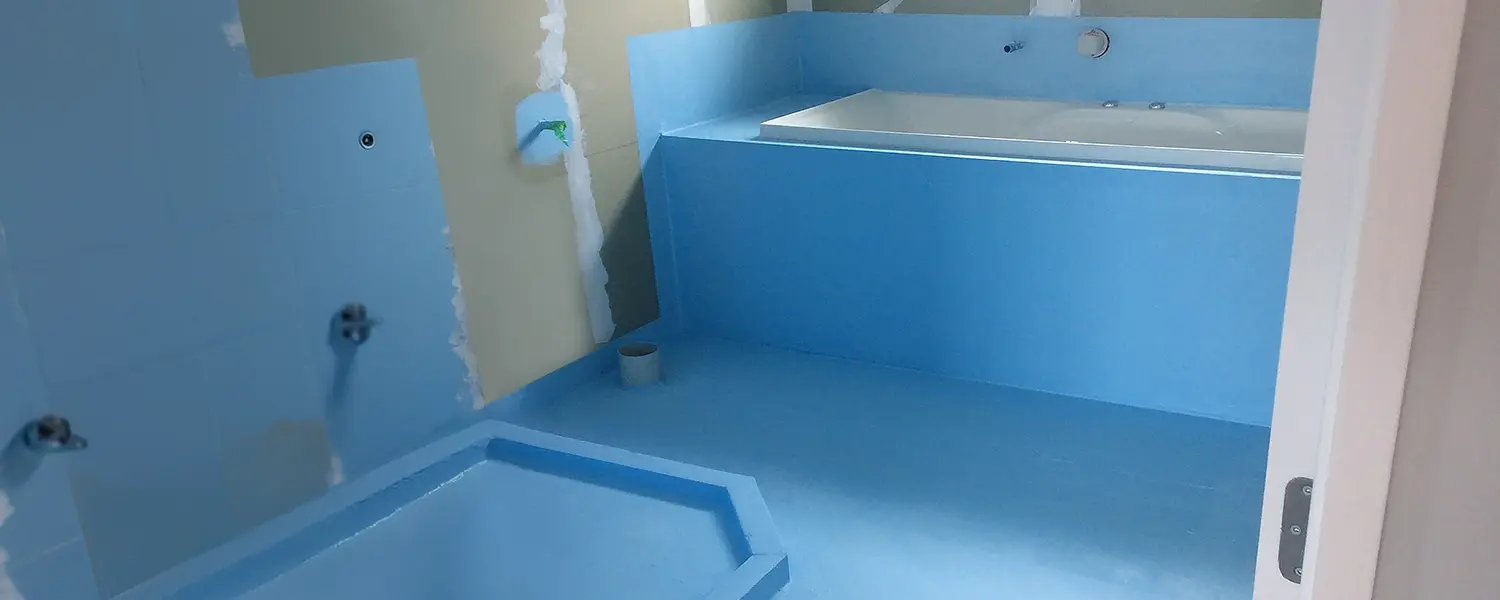
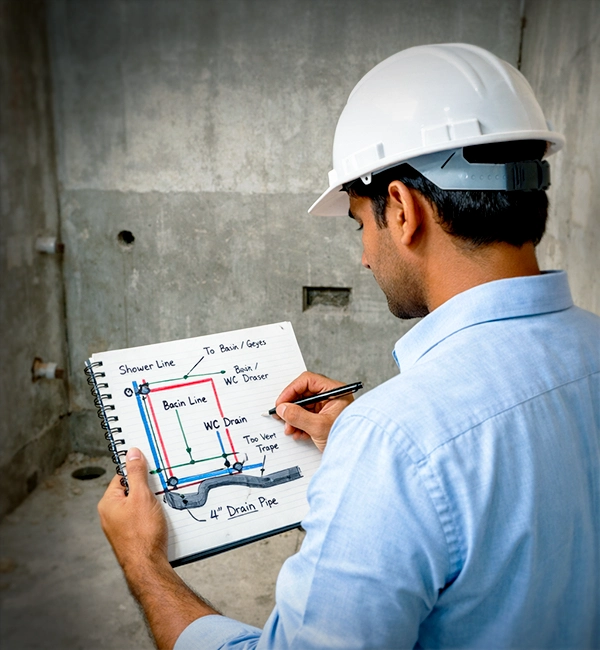
    We evaluate floor-to-wall junctions, pipe penetrations, shower areas, and below-tile membrane systems, which typically fail due to degraded plumbing surrounds and incompatible tile adhesives.

  • Waterproofing

    Kitchen

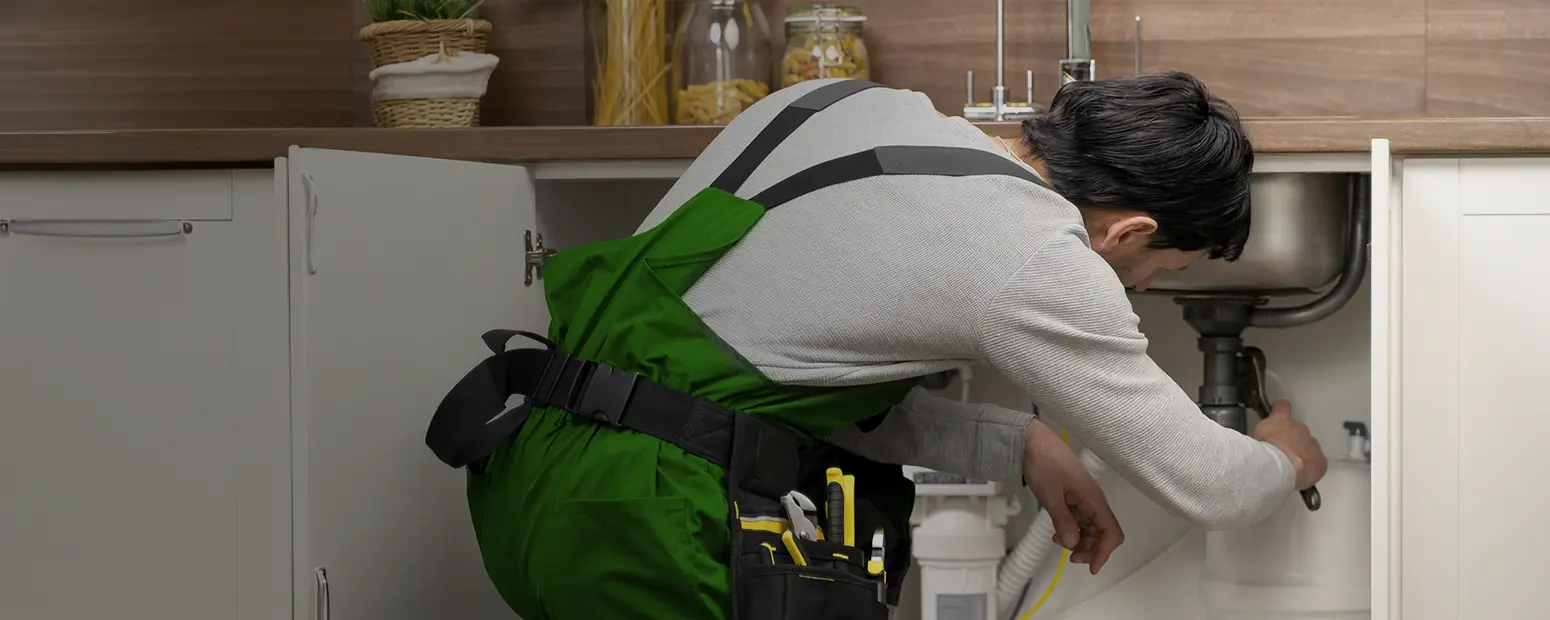
    We inspect concealed pipe areas, sink surrounds, and service shaft waterproofing, looking for chronic micro-leaks that create long-term capillary dampness.

  • Waterproofing

    Basement and Retaining Wall

    We diagnose below-ground water pressure management and drainage integration, where positive hydrostatic pressure forces moisture through untreated cold joints in the concrete.

  • Waterproofing

    External wall

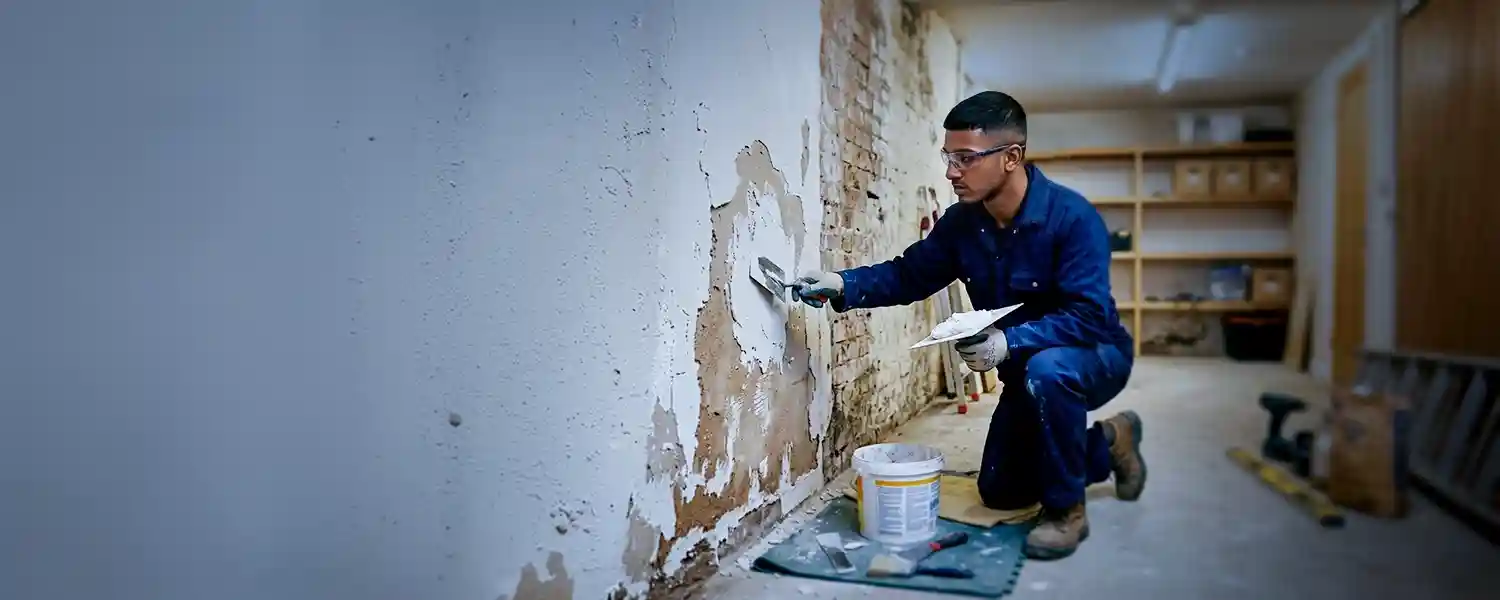
    We investigate rain penetration through the building envelope, particularly in older masonry buildings, where degraded pointing and porous brickwork lead to severe internal dampness and wall moisture.

INFRA.CLINIC advanced testing - where visible diagnosis is insufficient

Where the failure mechanism cannot be confirmed visibly, we utilize INFRA.CLINIC, our NABL-accredited laboratory, for advanced material testing. We conduct precise membrane adhesion and bond strength testing, detailed moisture content mapping of the substrate, and waterproofing system performance verification where your diagnosis requires certified, undeniable evidence.

  • T-01

    Membrane adhesion & bond strength

    Precise testing of existing membrane bond to substrate - confirms whether delamination is the root failure mechanism

  • T-02

    Moisture content mapping

    Detailed moisture content mapping of the substrate - confirms water presence and distribution beneath the surface

  • T-03

    System performance verification

    Waterproofing system performance verification where certified laboratory evidence is required for the diagnosis report

Your failure mode identified. Your prescription written.

Talk to our Expert

The written waterproofing prescription

A clinical document - specific to your building, your substrate, and your unique failure

The output of this waterproofing failure diagnosis is a written waterproofing prescription — a technical document that specifies the correct system, the correct preparation sequence, and the correct application method for the specific failure mode identified on your property.

This is not a generic product recommendation. It is a clinical prescription written specifically for your building, your substrate, and your unique failure.

Prescription specifies

  • The correct system Waterproofing system matched to the specific failure mode — not a catalogue default.
  • The correct preparation sequence Substrate preparation steps specified in order — application to an unprepared surface always fails.
  • The correct application method Precise method for the identified substrate condition — written for the craftsman executing the work.

Prescription executed via

To execute this, INFRAHUB supplies specification-grade waterproofing materials directly from PROCEMHUB as per the BUILDING Dr prescription, ensuring the exact right chemistry is delivered to solve your problem permanently.
Explore our PROCEMHUB Products

Common Questions. Answered Clearly.

It fails because the root cause was misdiagnosed. Applying a new membrane over an active structural crack, a damp substrate, or an unsealed pipe penetration guarantees repeat failure. You must fix the underlying defect before applying the waterproofing layer.

Waterproofing resists active hydrostatic pressure and standing water, whereas damp proofing only prevents soil moisture transmission. Waterproofing is mandatory for roofs and basements, while damp proofing is generally a thin protective coating used for ground-level walls.

We conduct a systematic investigation of the full water pathway. We identify entry points, evaluate substrate integrity, and use INFRA.CLINIC for moisture mapping and adhesion testing to pinpoint the exact failure mechanism before prescribing a solution.

Yes, it is possible to apply waterproofing to an old roof without extensive demolition. We use advanced techniques such as surface preparation, repair of existing membranes, and the application of compatible waterproofing systems to ensure a seamless bond and effective protection.

A correctly diagnosed and meticulously applied waterproofing system should last 10 to 15 years. Longevity depends entirely on selecting the right product chemistry for the substrate and ensuring rigorous surface preparation prior to application.

The right system depends on your specific roof structure and traffic. However, a proper roof waterproofing assessment in Eastern India generally reveals that exposed terraces require highly elastic, UV-resistant polyurethane or elastomeric membranes to survive our extreme thermal cycles.