
Englishবাংলাहिन्दी

Store Locator

Existing Buildings

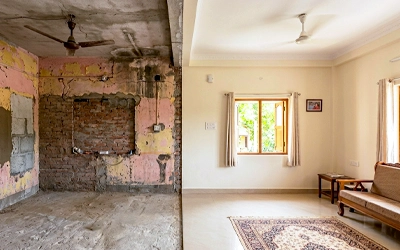
Old building assessment repair service Eastern India

Consult with Engineer →

Rising damp, saltpeter, structural cracks, RCC deterioration — INFRAHUB's BUILDING Dr assesses old and existing buildings across Eastern India and prescribes the right permanent solution.

Whatis Really Happening to Your Old Building

To permanently fix an existing building, we must first understand the exact engineering mechanisms actively destroying it from the inside out.

Surface treatments do not fix structural problems. Permanent repair requires diagnosing the exact mechanism destroying your building — then intervening at the source.

  • ActiveRising Damp

    Rising damp occurs when groundwater, carrying destructive dissolved salts from the soil, travels continuously upward through your porous masonry via capillary action. As this moisture reaches the surface of your interior walls and evaporates, the heavy salts are violently deposited behind your paint. This creates the white crystalline efflorescence, the ugly brown staining, and the progressive destruction of plaster that absolutely no surface paint treatment can stop — because the active source of the water is below ground level.

    1. White crystalline efflorescence

    2. Brown wall staining

    3. Plaster Destruction

    4. Paint Failure

  • SevereSaltpeter Damage

    Saltpeter damage — the visible, chalky white salt deposit you constantly sweep off your walls — is the direct surface evidence of rising damp. It is fundamentally not a paint problem, nor a plaster problem caused by a bad mason. It is a severe moisture problem originating deep in the foundation zone, requiring a chemical engineering intervention at the masonry level.

    1. Chalky white Deposits

    2. Recurring salt sweep-off

    3. Foundation - zone moisture

  • CriticalRCC Deterioration

    Reinforced concrete structures age and decay over decades through aggressive carbonation and chloride attack. The concrete slowly loses its protective alkalinity over the years, allowing moisture and oxygen to reach the core. The internal steel reinforcement begins to heavily corrode. Because rust physically expands up to six times the volume of the original steel, it literally cracks the concrete from within. What begins as a faint rust stain on a column quickly becomes dangerous spalling concrete and fully exposed, degrading steel if left unaddressed.

    1. Rust staining on columns

    2. Spalling concrete

    3. Exposed steel bars

    4. 6x rust expansion

  • UrgentFoundation Settlement

    Underground soil conditions dynamically change over decades due to groundwater shifts and adjacent construction. Settlement cracks running diagonally across your walls, uneven floors that slope, and wooden doors that suddenly no longer close properly are the definitive surface evidence of severe movement in the foundation zone of the existing building.

    1. Diagonal settlement cracks

    2. Sloping uneven floors

    3. Doors that won't close

    4. Foundation zone movement

The Health Dimension of
Old Building Problems

Persistent dampness in living and working spaces does much more than ruin your interior design; it creates the perfect biological conditions for toxic mould growth. Mould spores thriving in enclosed, poorly ventilated existing buildings cause severe respiratory irritation, heavily aggravate asthma conditions, and in chronic cases, create deeply toxic living environments for the building's occupants—particularly vulnerable children and elderly residents.

The building's aesthetic appearance suffers greatly, but more importantly, the occupants' physical health suffers right alongside it. Simultaneously, the building's actual load-bearing structural capacity diminishes as dampness rots the core. These are not separate, isolated consequences that you can choose to ignore. They actively compound each other every single monsoon season, accelerating the decay of both your health and your financial investment.


The INFRAHUB Solution Pathway

We do not guess. INFRAHUB executes a strict, three-phase engineering pathway to permanently save your existing building.

01BUILDING Dr. Assessment

Our qualified engineers conduct a systematic, non-destructive condition survey of the entire existing building. We perform precise rising damp measurement using electronic moisture meters. We execute detailed crack mapping and structural load assessments. We evaluate the core RCC condition. Every single defect is photographically documented. The final output is a formal written prescription—the complete, undeniable health record of the building detailing exactly what must be done.

02INFRA.CLINIC Testing

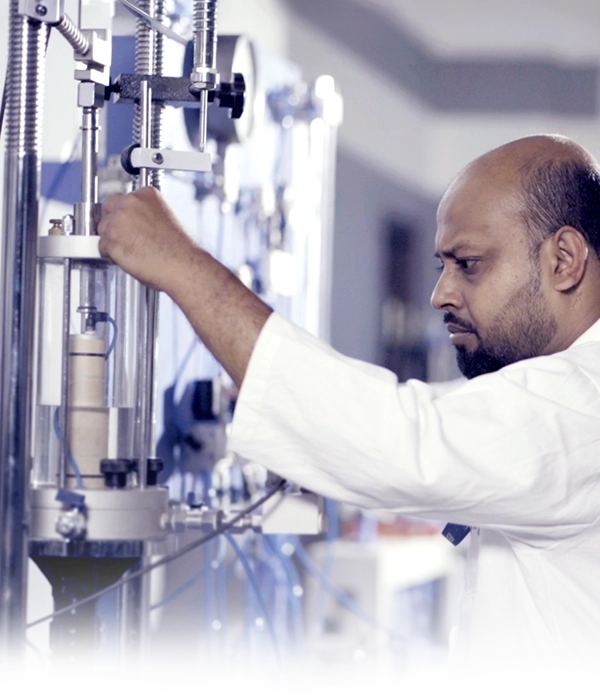
To truly understand the decay, we utilize our NABL-accredited laboratory partner. We conduct carbonation depth testing, half-cell potential testing to detect hidden rust, core moisture content measurement, and aggressive chloride analysis where relevant. These certified tests tell BUILDING Dr exactly how far the severe deterioration has progressed inside the structure—not just what is visible to the naked eye on the surface.

03Supply from INFRAHUB

INFRAHUB delivers the exact specification-grade materials directly to your site as per the strict BUILDING Dr prescription. Whether you require advanced dampproofing systems, high-strength structural repair mortars, anti-carbonation protective coatings, deep waterproofing treatments, or structural repair compounds, we provide the right treatment for your specific building condition, supplied directly at factory price.

  • Housing Societies

    INFRAHUB understands the complex dynamics of apartment complexes and residential communities managing the collective maintenance of aging common areas, decaying external facades, leaking terraces, and critical structural elements. BUILDING Dr provides the independent, authoritative engineering assessment that housing societies desperately need to make highly informed, collective maintenance decisions.

    More importantly, our certified INFRA.CLINIC reports satisfy all society members and committees that the required expenditure is entirely justified by undeniable, certified scientific evidence rather than a local contractor's biased opinion.

    Apartment complexesResidential communitiesSociety committeesCollective maintenance
  • Commercial Asset Owners

    For business owners, hoteliers, hospital administrators, and commercial property managers, a deteriorating existing building is a massive liability. A luxury resort with damp guest rooms, a healthcare hospital with cracked structural walls, or a premium showroom with peeling interior paint—these are absolutely not standard maintenance issues. They are severe brand risks and direct threats to your revenue generation.

    INFRAHUB's rigorous building condition assessment West Bengal service addresses these commercial liabilities with the absolute engineering authority and speed that a commercial asset fundamentally demands to remain profitable.

    Business ownersHoteliersHospital administratorsProperty managers

Common Questions. Answered Clearly.

The most common problems in old buildings include severe rising damp from high groundwater, saltpeter (efflorescence) destroying interior plaster, deep structural cracks from foundation settlement, and dangerous RCC deterioration where internal steel reinforcement rusts and breaks the concrete columns.

Rising damp is groundwater traveling up your walls through capillary action. You cannot fix it permanently with waterproof paint. It requires BUILDING Dr to prescribe a chemical damp-proof course (DPC) injection to block the moisture at the foundation level.

Yes. Even heavily deteriorated old buildings can be fully restored if the exact root cause is scientifically diagnosed. Using advanced structural repair mortars and chemical waterproofing prescribed by BUILDING Dr, the structural integrity and aesthetic life can be permanently renewed.

BUILDING Dr engineers conduct a systematic, non-destructive visual survey, utilize electronic moisture mapping, perform structural crack analysis, and document all findings photographically. We then produce a formal written engineering prescription detailing the exact repair methodology and materials required.

A cosmetic repair merely hides the symptom, such as applying fresh putty over a damp wall, guaranteeing it will fail again. A permanent engineering fix diagnoses and stops the root cause—like sealing the external water source—before repairing the damaged surface.

Yes, testing is crucial for structural safety. Visual inspections cannot see inside concrete. INFRA.CLINIC's NABL-accredited testing measures invisible carbonation depth and hidden steel corrosion, ensuring the prescribed repair is based on scientific facts, not contractor guesswork.